
To find shed antlers, start in legally accessible areas where deer or elk previously fed, rested or traveled. Wait until vulnerable wintering animals have moved away, check current closures, and walk slowly, scanning the ground in overlapping passes. Look for a curved beam or exposed tine instead of expecting an entire antler to be visible. A map, sturdy footwear, water and basic outdoor safety equipment are more important than specialized hunting gear.
01 / What Is Shed Hunting?
Shed hunting is searching for antlers that have naturally separated from an animal's skull. Deer, elk, moose and caribou grow and discard antlers as part of their annual cycle. Unlike hunting an animal, the activity involves finding what has already been left on the ground. People collect sheds for decoration, wildlife observation, crafts and personal collections; some sell their legally acquired finds.
You can begin on a small piece of land you have permission to visit. It may take several outings to find your first shed, and even experienced collectors return empty-handed. Treat a successful trip as safe time outdoors, not a requirement to bring something home.
A naturally discarded antler usually has a distinct shedding surface underneath its burr. An antler still joined to a skull is a different type of find and may require official authorization. Learn the differences in our antler identification guide.
02 / When Is the Best Time to Go Shed Hunting?
Many deer shed during winter, while elk commonly shed later. Local conditions make the actual schedule variable. A mild winter or melted snow does not automatically mean animals have recovered their energy reserves. Biological shedding time, legal opening time and responsible search time are three separate things.
● Common period · Earlier/later examples – Outside this simplified period. Local timing varies; younger moose may retain antlers longer. Not a legal opening calendar or statistical forecast.
For the complete biological explanation and regional differences, use When Do Deer and Elk Shed Their Antlers?. Once access is lawful and herds have left vulnerable habitat, consider a short outing in snow-free, stable terrain. Early spring may offer good ground visibility before vegetation grows, but later outings can be productive too. Never enter an active winter range simply to beat other collectors.
03 / Check Laws and Land Access Before You Go
Start with the state wildlife agency and the agency or owner responsible for the exact property. The right to hike on a parcel does not necessarily include the right to remove wildlife parts. Some restrictions cover searching and possession as well as picking up antlers. Even if you plan to leave everything in place, check whether deliberate shed searching is restricted.
| State | Published requirements to check |
|---|---|
| Idaho | Nonresidents generally need a valid Idaho license for big-game hunting to collect specified sheds; verify exceptions and closures. IDFG licensing. |
| Wyoming | In 2026, Collection Area 1 opened at 6 a.m. May 1 for residents and May 8 for nonresidents. Nonresidents 15 or older also need a conservation stamp there. See WGFD's 2026 notice and current Chapter 61 rules. |
| Utah | January 1–May 31 requires carrying the free annual antler-gathering ethics certificate. Emergency closures can override ordinary access. Utah DWR rules and course. |
| Colorado | Public lands west of I-25 are closed to collection and possession January 1–April 30. Some units have additional daily restrictions May 1–15. CPW regulations. |
| Montana | Nonresidents need a shed-hunting license on WMAs and cannot collect during the first seven days of seasonal spring openings. WMA access also has conservation-license rules. Check FWP access updates. |
Reviewed November 21, 2026. These selected examples do not confirm 2027 opening dates or permission for a specific location. Check new notices, maps, emergency restrictions and residency requirements immediately before departure.
Obtain landowner permission before crossing private land, including when accessing public land behind it. Verify rules for BLM and national forest parcels, state wildlife areas, tribal lands and refuges. National parks generally prohibit removing antlers. Follow designated motorized routes, parking and access rules. If the status is uncertain, choose another site. See the Field Guide's legal antler reference for sale and transport considerations.
04 / Where to Find Deer and Elk Shed Antlers
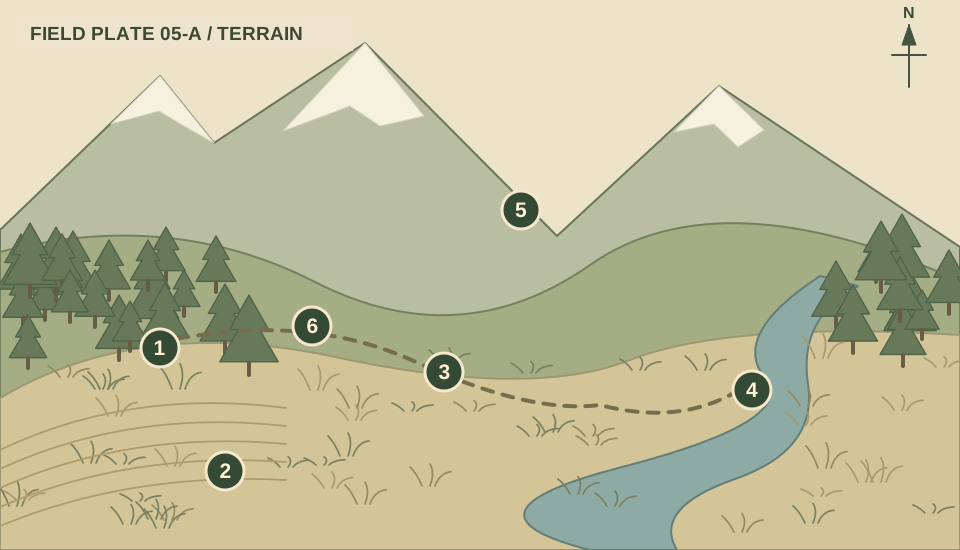
Animals lose antlers wherever they happen to be during the shedding period. Your goal is to identify where they previously spent time, rather than following live animals. Use the numbered landscape above as a mental model: start with a safe, legal route through promising habitat after animals have departed.
Former bedding cover
Look for old resting depressions in grass or leaf litter and cover where animals previously rested. Avoid occupied bedding areas.
Previously used feeding areas
Search field edges, meadows or other former forage sites. On working farms, ask which areas you may enter and avoid crops, livestock and equipment.
Game trails
Walk established routes where legal, scanning both sides and looking back from a different angle. A narrow trail can conceal antlers just off its edge.
Crossings and transitions
Inspect safe approaches to dry creek channels, existing fence crossings and brush edges. Never force an animal to jump a fence or climb an unsafe bank.
Sunny slopes
Sun-exposed slopes can lose their snow sooner. Check them only after wintering animals have moved on; avoid steep, icy and avalanche-prone slopes.
Staging areas
Open-woodland edges and cover near feeding sites may have been used during movement between food and shelter. Look for older evidence of use rather than following fresh tracks.
These are search priorities, not guaranteed hotspots. The best terrain for a beginner is terrain that can be searched thoroughly without unsafe travel, trespass or disturbing animals. Idaho's responsible shed-hunting advisory explains why waiting for herds to move is important.
05 / Whitetail, Mule Deer, Elk and Moose Habitats
Choose search terrain based on the species that historically used the area. These broad examples are starting points, not precise range maps. Local wildlife distribution, historic land use and access rules should inform the decision.
Whitetail deer
Woodlots, old field edges and brushy travel corridors. Turn around to scan leaf litter from another angle.
Mule deer
Foothills, sagebrush edges and previously used seasonal range. Scan gaps in sage and grassy benches.
Elk
Formerly occupied mountain meadows, grasslands and forest edges. Use binoculars; leave active wintering herds alone.
Moose
Forested or willow habitats and wetland edges. Avoid unstable ice, deep water and dense cover where an animal may be close.
Once you've found an antler, compare its base, beam and branching with our species identification plates. Not every antler conforms to the most familiar shape for its species.
06 / Scout With Maps Before Leaving Home
Satellite imagery shows vegetation, openings and roads; topographic maps show elevation and slope. Begin by finding a route from a lawful access point that a beginner can safely walk. Look for open areas adjacent to cover, gentle contours and obstacles such as steep ravines or rivers. Confirm the landowner and the current access status using official maps and the managing agency.
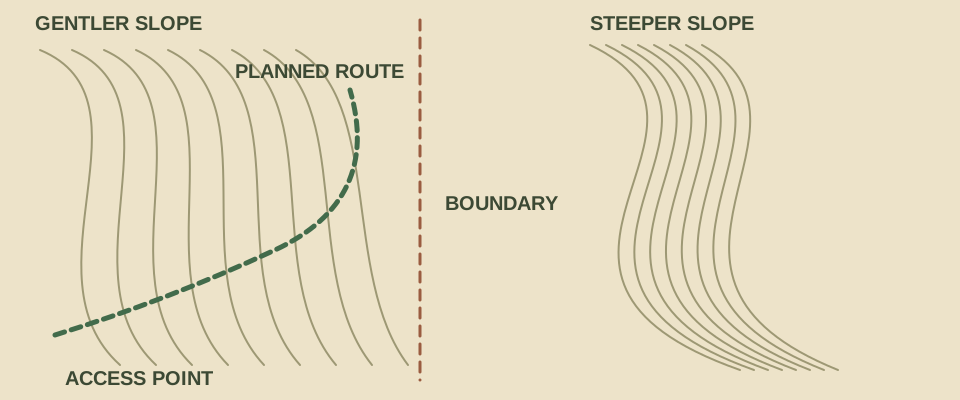
Widely spaced contour lines usually indicate gentler slopes; tightly spaced lines indicate steep ground. Mark a return route and an alternative, and don't rely on a phone signal. Download maps before leaving, carry independent navigation and know how to use it. Free topographic maps are available from the U.S. Geological Survey. A mapping application cannot grant permission to enter land.
07 / Search Patterns That Help You Cover Ground
Slow, deliberate observation often works better than covering extra miles. Use overlapping visual sweeps, stopping occasionally to scan ahead, behind and to each side. Adjust the spacing between passes to what you can actually see; dense grass calls for closer passes than short, open ground.
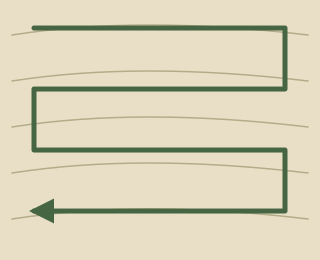
Grid search
Use parallel passes in an open area. Turn at a recognizable landmark and overlap your view of the previous pass.
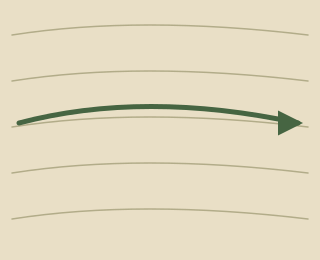
Contour search
Follow safe elevation bands across a broad slope instead of walking directly up and down steep terrain.
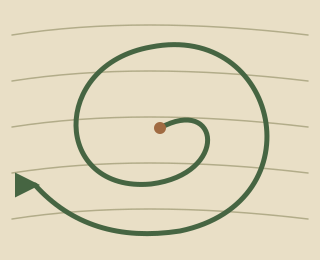
Expanding search
After a find, scan nearby ground and widen your coverage in loops if terrain and legal boundaries allow.
Use binoculars for promising shapes before hiking toward them. Overcast light can make subtle shapes easier to distinguish than harsh glare. If an object looks like a branch, check its curves, tip and base from a different angle. Record your coverage on a private map if helpful, and avoid retracing the same stretch by accident. Stop when the weather, your energy, remaining daylight or route conditions make further searching unwise.
08 / Train Your Eyes: Spot the Shed
Most hidden sheds don't look like the perfect antlers depicted in catalogs. A single pale tip can look like a twig, while a brown beam blends into leaves and vegetation. Look for a smooth sweeping curve with a branching tine, a rounded base or an unusually pale shape. Practice with these original illustrated training scenes before heading outdoors.
Find the hidden shed. Tap a location in the scene, or use the keyboard-accessible region buttons below.
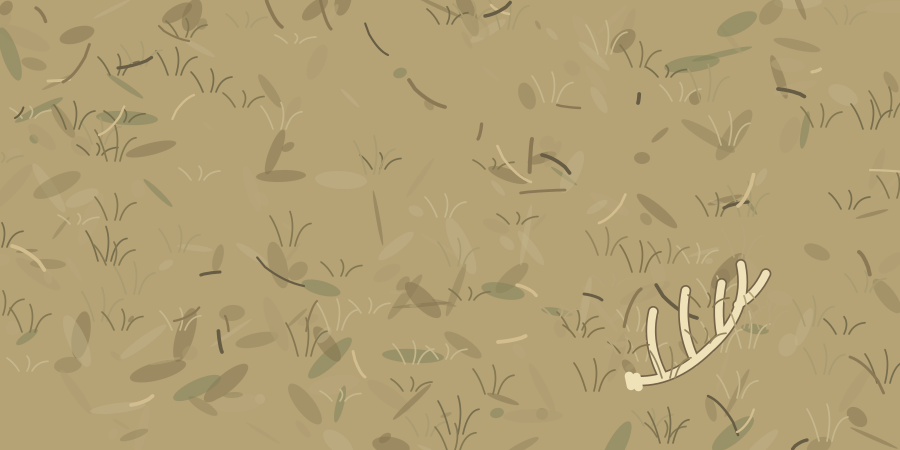
Scan the scene for a curved shape with branching points.
All training scenes are original vector illustrations; they are not actual field photographs or exact representations of visibility in the wild.
09 / How to Find a Matching Shed Antler
When you recover a legal shed, take a photo and privately mark its position, then stop and scan the surrounding ground. Search the visible area first and gradually extend the search. A second side may be close, hundreds of yards away, or impossible to find.
What a long-term Nebraska collection found
University of Nebraska at Kearney dataset, reported March 9, 2026 by Nebraska Game and Parks' Nebraskaland. The last two percentages concern identified pairs only. Not a personal probability of finding another antler or a result for elk.
To assess a possible pair, compare the shape and depth of the pedicle impression at the base, beam circumference, and branching sequence. Point count or tine length alone is weak evidence. If you cannot verify it, label the two antlers as a possible match rather than a confirmed pair. Keep the information with your measurements and photographs.
10 / Essential Shed Hunting Equipment
Start with the essentials for a hike, not expensive accessories. A small pack should be comfortable enough for the planned distance and have room for extra layers. Review the National Park Service's Ten Essentials and adapt the equipment to your environment.
Safety essentials
- Supportive footwear and spare layers
- Offline map, compass and navigation skills
- Sun protection and weather-appropriate clothing
- Water plus a way to treat extra water if needed
- Food, including extra for delays
- First aid, necessary medication and repair tools
- Headlamp, spare power, emergency shelter and fire-starting supplies where lawful
Useful additions
- Binoculars for scanning distant terrain
- Trekking poles for uneven ground
- Gloves and gaiters
- Camera and private find log
- Straps to carry sheds without exposed points
- Satellite messenger in remote areas without reliable service
In bear country, consult regional wildlife guidance, travel in groups when possible, avoid carcasses, make noise appropriately and carry accessible bear spray where lawful, knowing how to use it. Choose a less remote trip if you lack the experience or gear for the conditions.
11 / Plan Your First Shed Hunting Trip
For a first outing, choose a familiar, relatively flat area with confirmed landowner or agency access. Plan a short loop or an out-and-back that fits your fitness and daylight. Check weather and road conditions; have an alternative if the trailhead is inaccessible. Tell a reliable person where you are going, when to expect you back, and what to do if you miss your check-in.
At the location, begin with a careful visual scan of the open ground, then walk overlapping passes along legal routes. Take breaks to scan from a different viewpoint. If there is a herd in the intended area, calmly withdraw without approaching it. Finish the outing at your planned turnaround time even if you haven't found a shed.
Check each item before departure. Conditions can change.
12 / Wildlife Ethics, Safety and Common Mistakes
Do not chase, flush or follow live deer or elk to collect antlers. If your presence changes their behavior, increase distance and leave without driving them farther. Never use traps intended to force antlers off an animal.
| Avoid | Instead |
|---|---|
| Entering a closed area | Read current notices and choose another lawful site. |
| Crossing private land without permission | Arrange lawful access first. |
| Driving off designated roads | Park legally and use approved routes. |
| Dogs chasing wildlife | Follow leash and pet rules; keep dogs controlled or leave them home. |
| Moving a skull with attached antlers | Leave the site undisturbed and ask the relevant wildlife agency about reporting and authorization. |
| Risky river, ice or slope crossings | Turn around or select an easier route. |
Utah DWR, for example, asks finders to report skull-attached antlers without disturbing the site or evidence. Review the state's deadhead reporting guidance. Other states have distinct rules. Avoid any carcass, especially in bear country, and don't pick up antlers if you cannot confirm their lawful status. Leave no trash, protect fragile surfaces and give other recreationists room.
13 / Identify, Record and Preserve Your Finds
When collection is permitted, record the date, state, species and general setting. Photograph the base and the full antler before cleaning. Let a damp antler dry in a well-ventilated sheltered place; avoid harsh chemicals and direct high heat. Keep separate records for each side of a possible pair and note damage rather than disguising it. For trading or selling, retain relevant permissions and acquisition records.
Use the field form below as a personal record. It can be filled out on screen, printed blank or printed completed. No entry is sent to a server or stored by this page. You can keep precise coordinates separately and privately.
14 / What Are Your Shed Antlers Worth?
Legally obtained sheds may be valuable for decoration, collecting or craft materials. Condition, weight, species, measurements and matching status influence what different buyers may offer. There is no guaranteed payout. A damaged antler may make a great personal souvenir even if it's not desirable to a commercial buyer. Review the grading guide, general price reference and elk-specific pricing guide before choosing a price.
FOUND SOMETHING WORTH KEEPING?
Keep your favorite finds, browse other specimens, or list eligible antlers for sale on AntlerSheds.com. Confirm lawful origin, sale and shipping rules first.
AntlerSheds.com publishes this Field Guide and operates the marketplace. See our selling reference for options and trade-offs.15 / Frequently Asked Questions
What is the best month for shed hunting?
There is no single month nationwide. Deer often drop in winter and many elk in March or April. Go only when local collection is open and vulnerable animals have moved away.
Where are sheds most commonly found?
Prioritize previously used feeding and resting sites, connecting trails and habitat edges on legally accessible land. There is no guarantee that any one terrain feature will have antlers.
Do I need a hunting license for sheds?
Requirements vary. Idaho and some Montana lands have nonresident licensing rules, and Utah has a seasonal gathering certificate. Check your jurisdiction and the specific land.
Can I collect antlers on public land?
Sometimes, but public ownership does not imply collection permission. Check the managing agency, season and any property-specific restrictions. National parks generally prohibit removal.
How do I find elk sheds?
Scan formerly occupied elk habitat, using binoculars and deliberate passes through legal, safe terrain after animals leave vulnerable habitat.
How do I find whitetail sheds?
Search lawful woodlot edges, previously used feeding areas and connecting routes, adjusting your walking spacing to ground visibility.
How far apart are matched antlers?
Nebraska researchers reported half of their identified pairs within 10 meters and three quarters within 100 meters. Other pairs were farther apart, and most collected sheds were not matched.
Can I take my dog shed hunting?
Only where dogs are allowed and can remain under control without disturbing wildlife. If vulnerable animals are present or leash restrictions cannot be followed, leave the dog at home and choose another site.
What should I do if I find a skull with antlers attached?
Leave it undisturbed, record its position if safe and contact the relevant wildlife agency for instructions before moving anything.
Can I sell the antlers I find?
Often, provided the origin, species, possession, sale and transport meet applicable laws. Check the relevant agency rules before listing.
Research Method & Official References
Published by AntlerSheds.com. Reviewed November 21, 2026. Agency guidance supplies the biological, regulatory and safety foundation; the route diagrams, training scenes, field forms and trip example are original educational material, not field-test results. Nebraska statistics summarize that specific whitetail study as reported by the agency magazine, not a national probability model. Verify current law before each trip.
- Idaho Fish and Game — responsible shed hunting (March 11, 2026).
- Nebraskaland / Nebraska Game and Parks — timing, tactics and research (March 9, 2026).
- Oregon Department of Fish and Wildlife — responsible shed hunting (seasonal timing and ethics).
- Iowa DNR — go shed antler hunting (habitat).
- Missouri Department of Conservation — hunt antler sheds (search techniques).
- Idaho Fish and Game — nonresident license requirements.
- Wyoming Game and Fish — 2026 Collection Area 1 opening notice.
- Utah DWR — gathering sheds and deadhead reporting.
- Colorado Parks and Wildlife — shed collection.
- Montana FWP — 2026 Blackfoot-Clearwater WMA notice (check 2027 updates).
- National Park Service — Ten Essentials (outdoor safety).
- USGS — Topographic maps (planning resources).
General educational information, not personalized legal or outdoor safety advice. Illustrations are schematic, not actual hunting locations. Wildlife agencies do not endorse the marketplace.